


Honey is a bountiful gift from nature, full of goodness and valued for its beneficial qualities. However, choosing the right type of honey can be confusing, especially when you encounter labels like raw, pure, pasteurised, medicinal and organic honey. What do these actually mean? And which one should you choose?
Raw Honey
Raw honey is honey straight from the beehive. It contains pollen, bee propolis, beeswax and parts of dead bees.
Before the honey is bottled, it is strained to remove as much of the impurities and debris, but some still remain. However, it is safe to consume.
You will also notice that raw honey appears cloudy or opaque because it contains bits of honeycomb debris.
Raw honey is full of nutrients, including natural enzymes, vitamins, minerals, and amino acids. It is found to have powerful antioxidant properties, derived from an abundance of bioactive plant compounds called polyphenols. Multiple studies have found that raw honey contains significantly higher antioxidant (stronger antibacterial, antiviral, and antifungal) activity than processed honey.
Several studies have also linked raw honey to various health benefits, including lower fasting blood glucose, reduced markers of fatty liver and inflammation, and improved total cholesterol, LDL cholesterol, and triglycerides. It is also beneficial for soothing sore throats, treating digestive issues, boosting immunity, and acting as a natural energy source.
However, people with bee pollen allergies should avoid raw honey.
Pasteurised honey
Pasteurised honey is heated at a high temperature (usually 60–70°C) and then cooled down quickly. This process, done in a controlled environment, destroys natural yeast, which can cause fermentation. It also reduces crystallisation, removes air bubbles, and increases shelf life, while changing its appearance to a smooth, clear liquid.
Even though pasteurisation destroys micro-organisms like yeast and mould, research shows that heating honey (especially at higher temperatures) can compromise its antioxidant activity, which reduces over time during long storage.
While it may reduce many of the bioactive components, especially those sensitive to heat, the process doesn’t destroy all nutrients. The degree of loss depends on the type of honey, processing temperature, duration of exposure to heat, and storage conditions.
Pasteurised honey can be used for everyday sweetening in beverages, or in baking. However, people looking to use honey for its health benefits may prefer raw honey.
Pure honey
Pure honey is simply honey that is not mixed with added sugars, syrups, or flavourings. However, “pure” does not necessarily mean raw — it may still have been pasteurised or filtered.
Organic honey
Organic honey comes from bees that gather nectar from organic flowers. This means there are no synthetic herbicides or pesticides used on the hives or anywhere in the foraging areas.
Because bees can travel many kilometres to forage, it can be challenging for honey to be truly organic if a wide area around the hives is not chemical-free. However, when honey is labelled “certified organic”, this indicates that it has met strict standards. Certification is a rigorous 12-month process involving several strict regulations, including locating apiaries outside 5 km of pollution sources such as conventional orchards, livestock dip sites, urban centres, landfills, contaminated water and GMO crops, including normal farms or agricultural land that don’t use organic methods.
Organic honey can be pasteurised or raw.
Medicinal honey
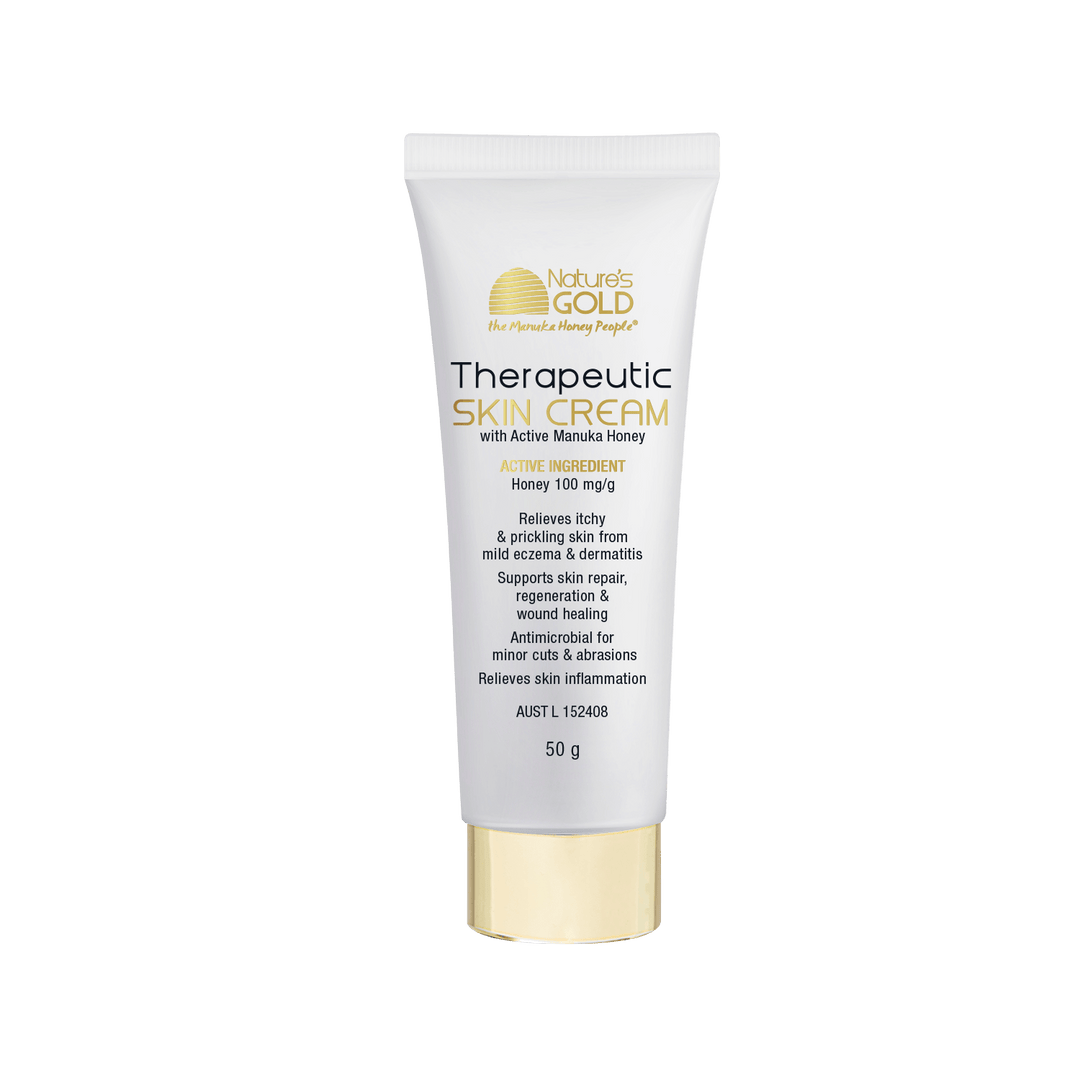
Medicinal honey is therapeutic-grade honey valued for its powerful antibacterial, anti-inflammatory and antiviral properties. It is used for various ailments, including chronic skin conditions, wound healing, diabetic ulcers, burns, post-surgery healing, and other infections, even those caused by antibiotic-resistant bacteria.
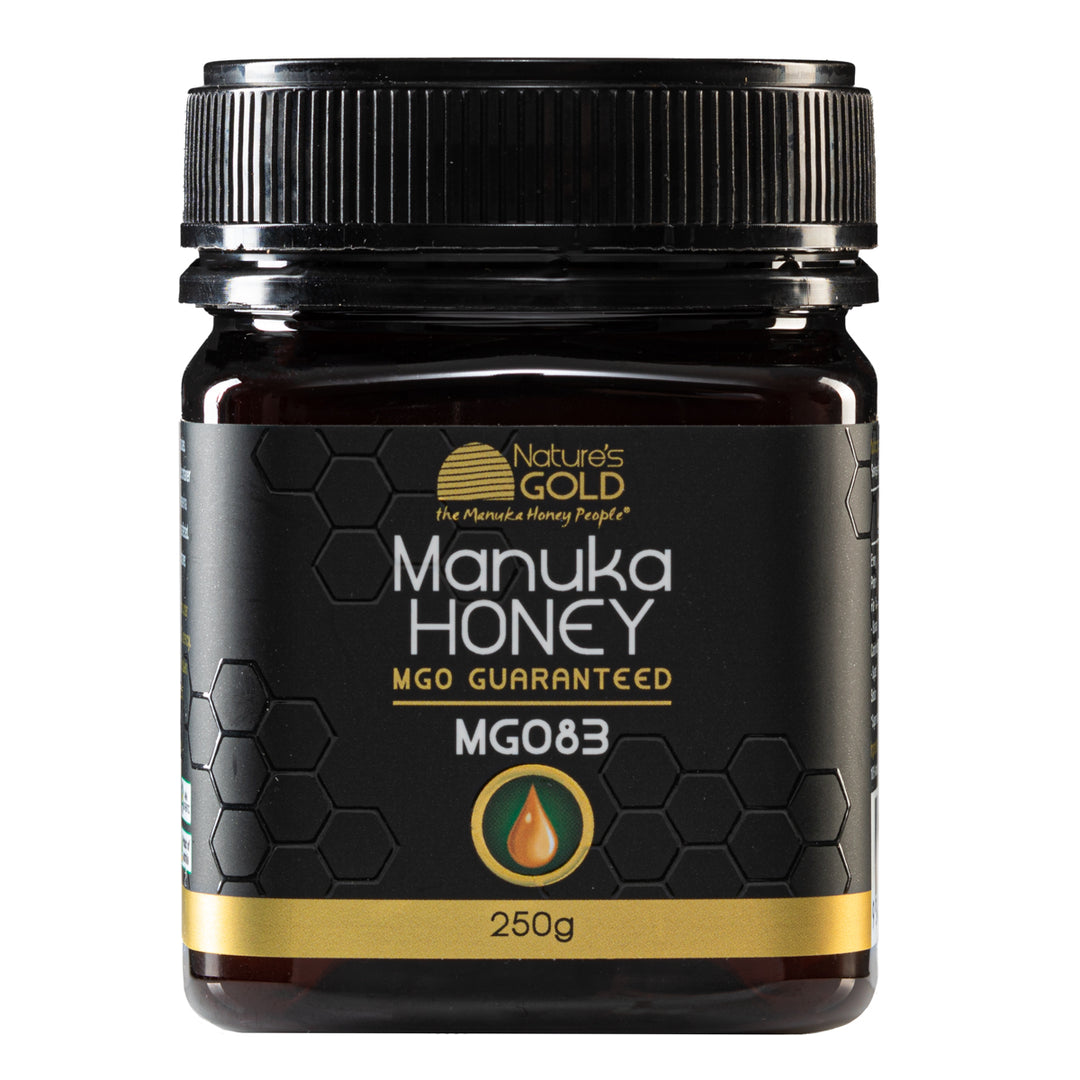
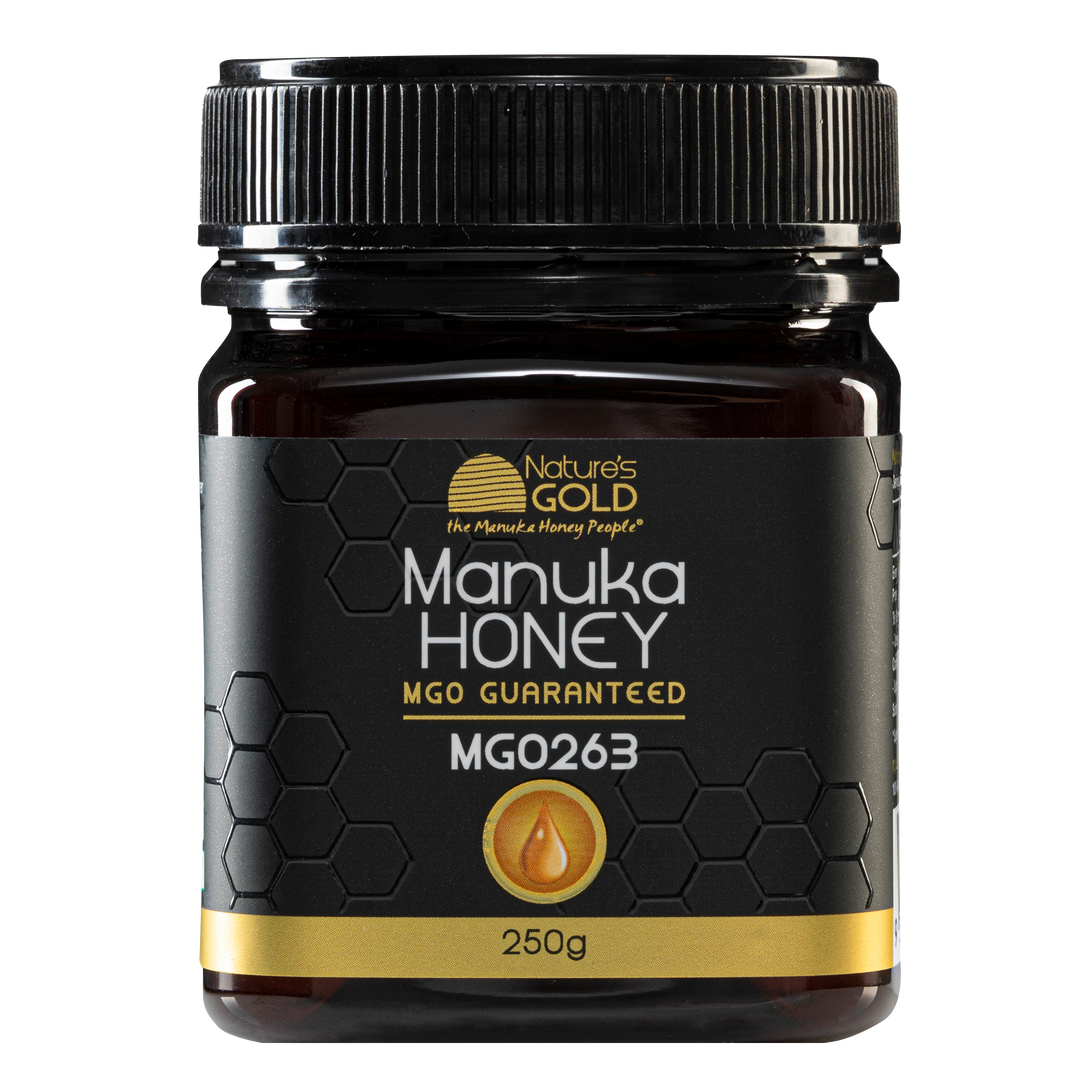
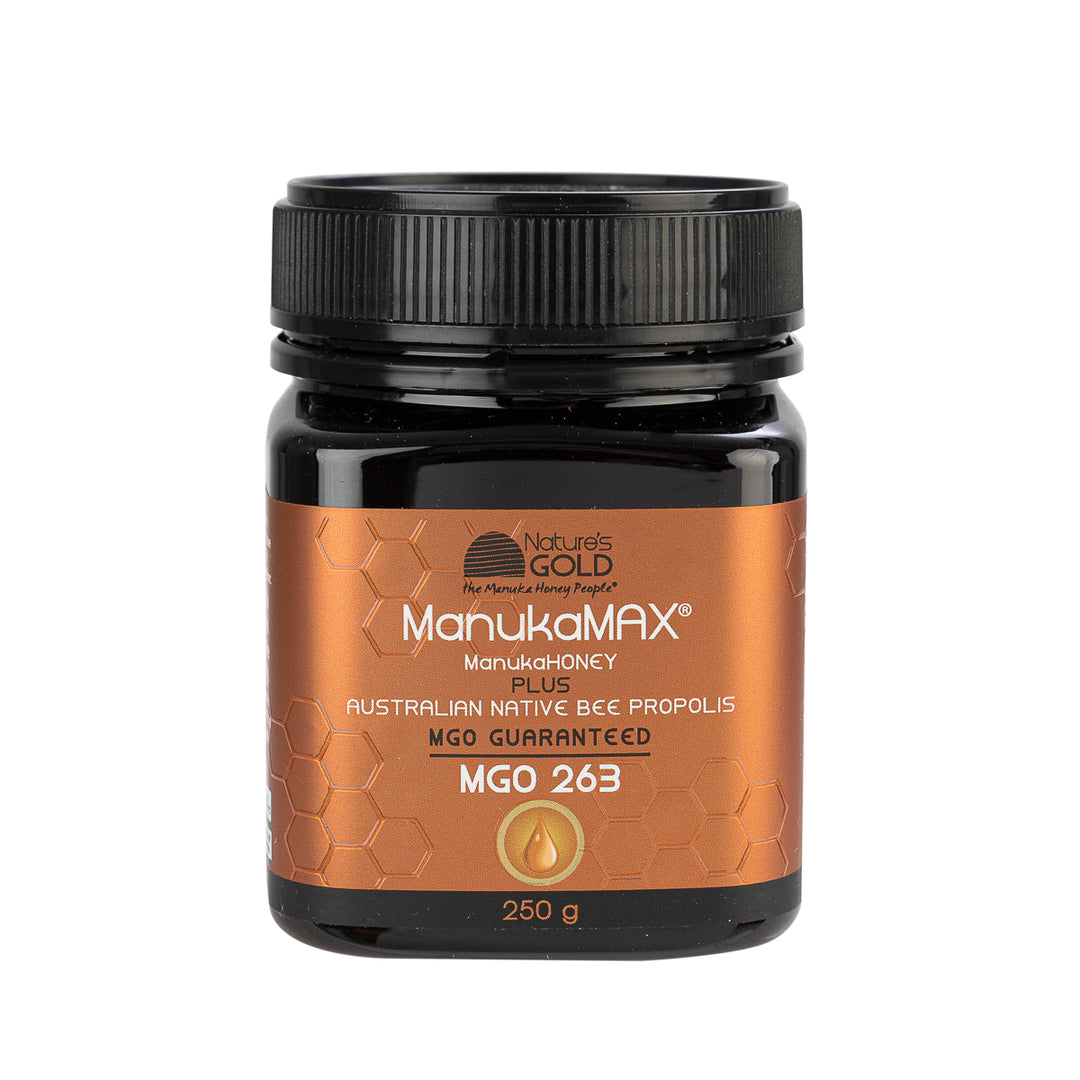
The most well-known medicinal honey is Manuka honey, which, unlike other regular honeys, contains methylglyoxal (MGO), a compound that provides strong antibacterial activity and remains stable during storage and moderate heating.
Medicinal honey is sterilised and packaged under medical-grade conditions to ensure safety and consistency. Gamma irradiation is the most widely used sterilisation method to process medicinal honey, as it destroys bacterial contamination without significantly reducing honey’s antibacterial properties or health benefits.
Now that you know what the different types of honey labels mean, you are ready to choose the right one for you. Visit Nature’s Gold online store for a range of our premium Australian Manuka honey and honey products.


코멘트를 남겨주세요