


Manuka honey is effective for wound treatment due to its potent antibacterial, anti-inflammatory, and antioxidant properties, which work together to create an optimal healing environment. Its unique composition, especially high levels of the compound methylglyoxal (MGO), sets it apart from regular honey and helps it combat even antibiotic-resistant bacteria.
- Clean the wound gently with a mild saline solution or water to remove any debris. Ensure your hands and any applicators are clean and sterile.
- Apply the Manuka honey. You can either apply a generous layer of the honey directly onto the wound, or spread it onto a sterile dressing first.
- For deep wounds or abscesses, the wound bed should be filled with honey.
- For minor cuts, a thin layer is often enough to cover the entire area.
- Cover the wound with a clean, sterile, non-adherent dressing or bandage. An occlusive dressing (air and watertight) is best to keep the honey in place and prevent it from seeping out.
- Change the dressing regularly. Initially, change the dressing daily, or more frequently if it becomes saturated with wound fluid (exudate). As the wound heals, you may be able to change it less often.
Monitor the wound for signs of improvement, such as reduced pain, decreased swelling, and closing wound edges. Seek medical advice if symptoms persist or worsen, including increased redness, swelling, or pus accumulation
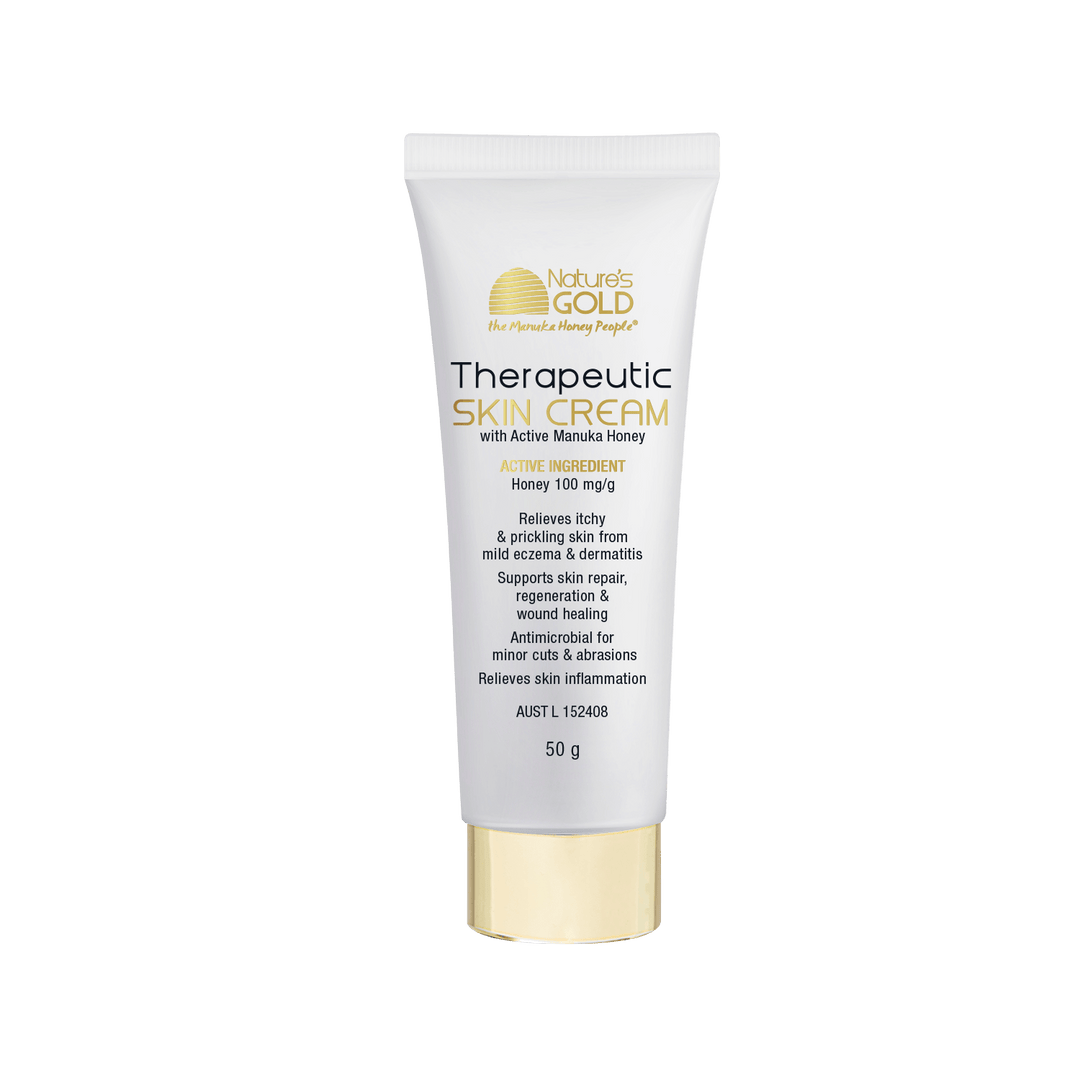
As the wound is healing, you may wish to treat the surrounding skin with our Manuka power concentrated ointment MGO 514 or Manuka power ointment extra strength with MGO 1000, or out TGA listed Therapeutic cream.
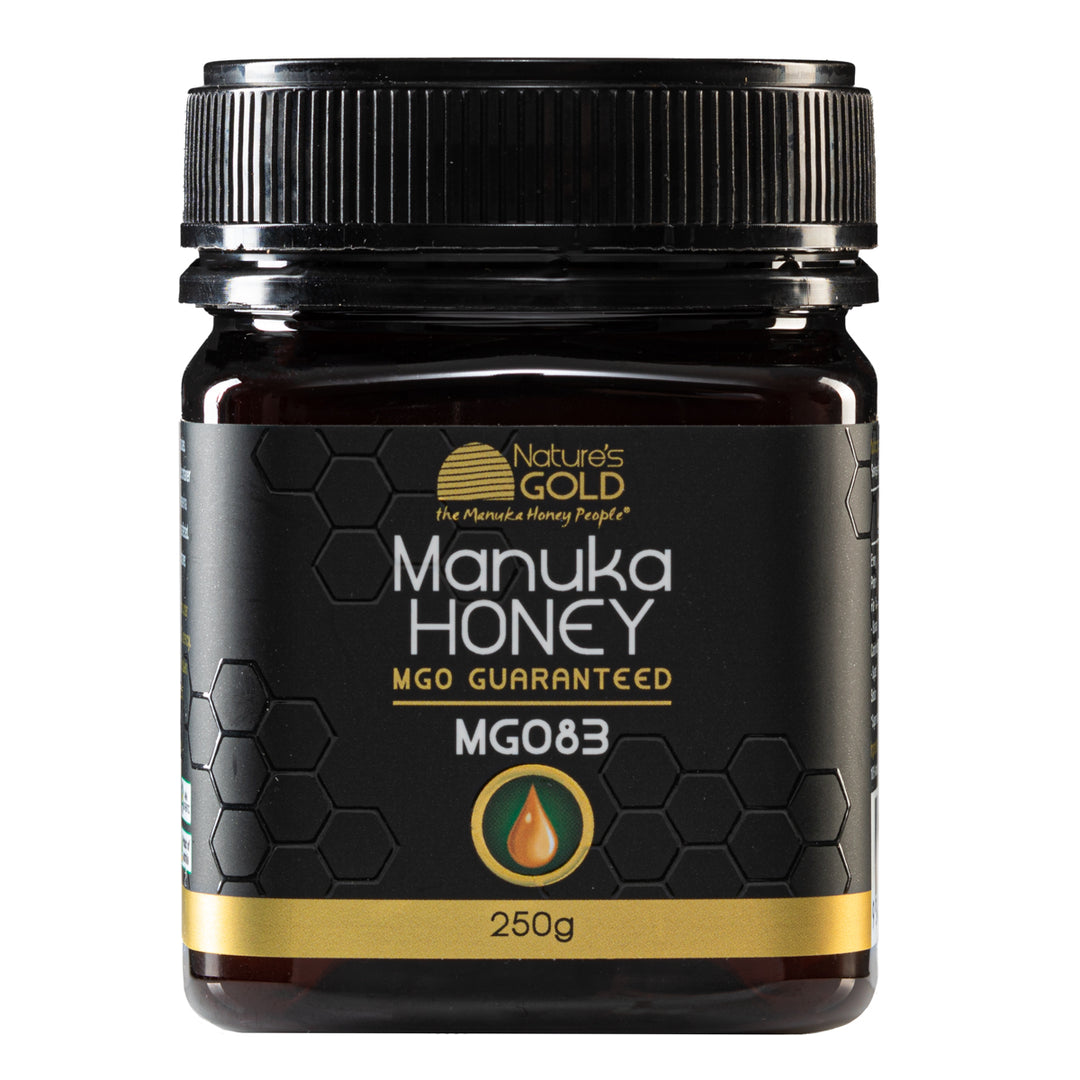
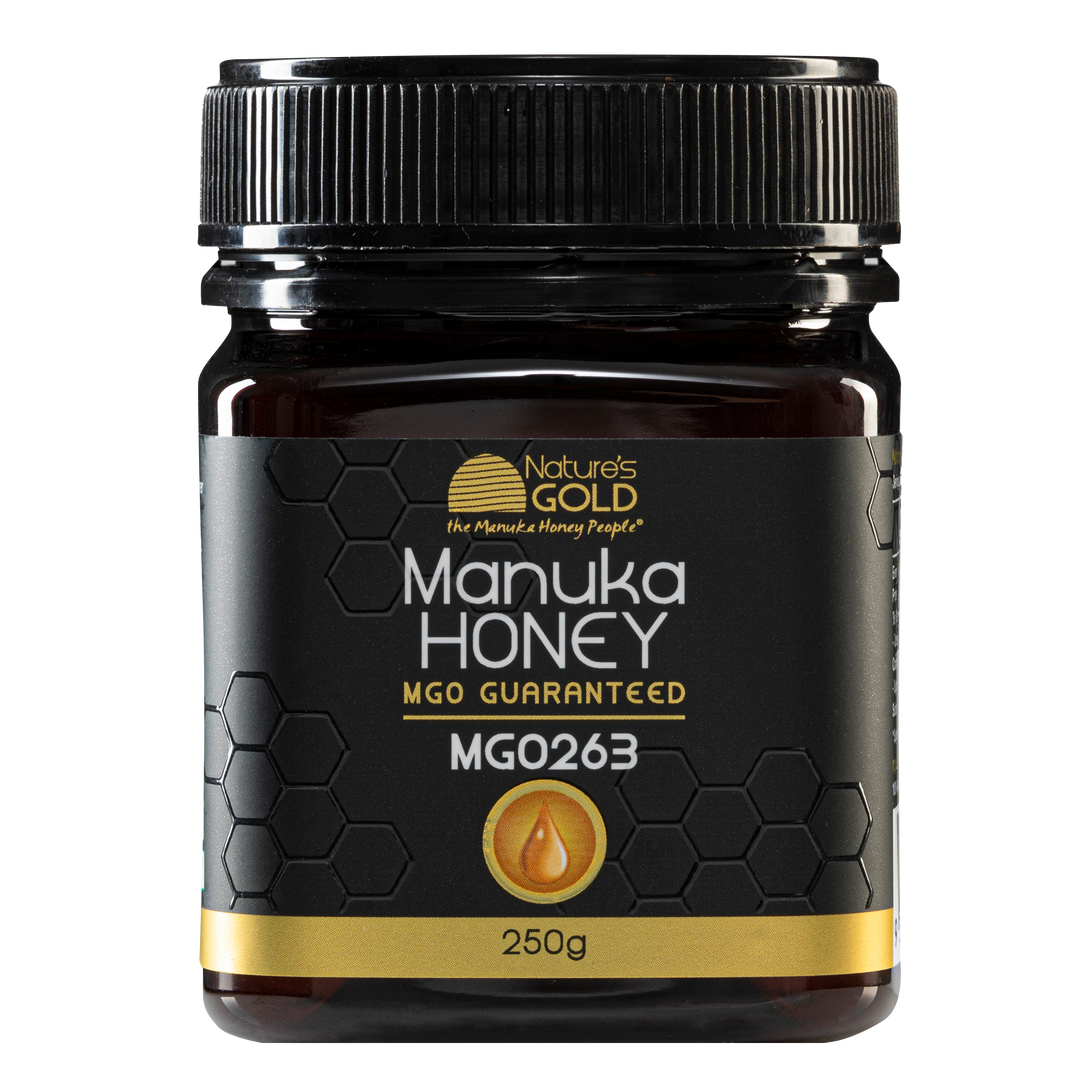
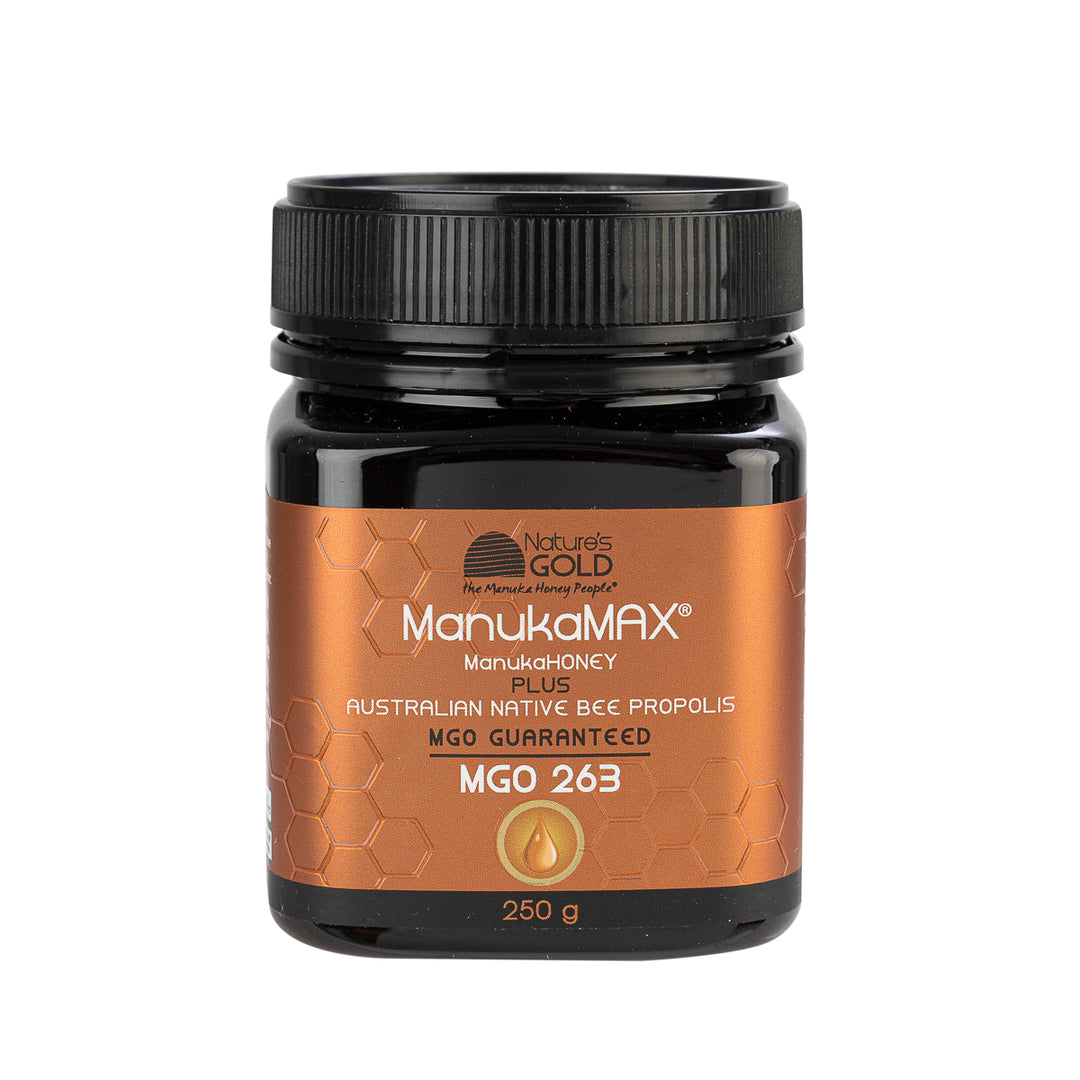
You can purchase


Leave a comment