


Bee propolis is a resin-like substance produced by bees when they combine the sticky sap from trees with beeswax and enzymes from their saliva. The result is ‘bee glue’ — a brown, glue-like product that bees use to coat beehives, seal gaps and maintain the hive structure.
Many ancient civilisations used propolis for its medicinal properties to treat abscesses, tumours, and wounds, as well as to fight infections and speed up the healing process. Egyptians even used it to embalm mummies.
In recent times, bee propolis and its healing properties have gained wide popularity. But what does modern science say about its actual health benefits?
What research says
Scientists have identified over 500 compounds in propolis, most of which are polyphenols, particularly flavonoids. These polyphenols act as potent antioxidants that protect the body from disease, cellular damage and inflammation.
A 2019 review suggests that bee propolis has antibacterial, antifungal, antiviral, antiprotozoal, anti-inflammatory, and antioxidant properties. It may also have anticancer properties.
These properties suggest that bee propolis can be beneficial, with modern science validating some of these health benefits, particularly in oral health, wound healing and respiratory infections.
Oral health
Studies have shown that propolis reduces dental plaque and tooth decay mainly by acting against Streptococcus mutans, the main bacteria responsible for tooth decay. Several clinical trials have also found that using propolis mouthwash or toothpaste significantly reduces dental plaque and gingivitis compared with standard formulations.
In dental procedures, such as after tooth extraction, small studies have shown that propolis gels can improve wound healing and reduce postoperative pain.
Another 2021 review found bee propolis may also be useful for treating mouth and throat infections.
Skin healing and wound support
The natural antibacterial, antifungal, and anti-inflammatory properties of bee propolis make it beneficial for treating wounds, such as burns. There is some clinical evidence that propolis-based ointments can promote faster healing and less inflammation than some standard treatments in second‑degree burns. However, more research is needed. A 2019 review reports that bee propolis can stimulate collagen production, which can further support wound healing.
Clinical trials have shown that creams or ointments containing propolis (typically around 0.5–3% propolis) can shorten healing time and reduce symptoms in both cold sores and sores from genital herpes. In several studies, these ointments performed as well as or better than acyclovir cream for herpes simplex skin lesions, which are the blisters and sores caused by the herpes virus (HSV).
Immune support and respiratory infections
Propolis is rich in antioxidants that help modulate inflammation and support the body’s immune system. Research suggests it may play a role in supporting immunity, particularly in relation to viral and respiratory infections.
Evidence comes from studies in children, particularly a randomised, double-blind, placebo-controlled trial with 430 children aged 1–5 years, which shows propolis supplementation (propolis, echinacea, and vitamin C) is linked to fewer respiratory tract infections and a shorter duration of cold and illness days. Adult studies have reported similar benefits, with participants experiencing reduced severity of symptoms and faster recovery.
Safety concerns
While propolis appears to be safe when used as directed, there is not enough evidence to fully understand the possible side effects or interactions. Because propolis contains a wide range of chemical compounds, some people may be more sensitive to it.
Avoid propolis if you:
- Are allergic to bee stings, honey, or other bee products
- Have asthma or severe respiratory allergies (as propolis may trigger reactions)
- Are pregnant or breastfeeding, due to limited safety data
- Have a bleeding disorder (a certain chemical in propolis may slow clotting)
- Are scheduled for surgery (stop taking propolis 2 weeks before surgery)
- Are taking certain medications that affect the immune system, blood clotting, or liver function.
It’s important to speak to your doctor before using propolis, especially if you have chronic health conditions, known allergies, asthma, or are taking prescription medication.
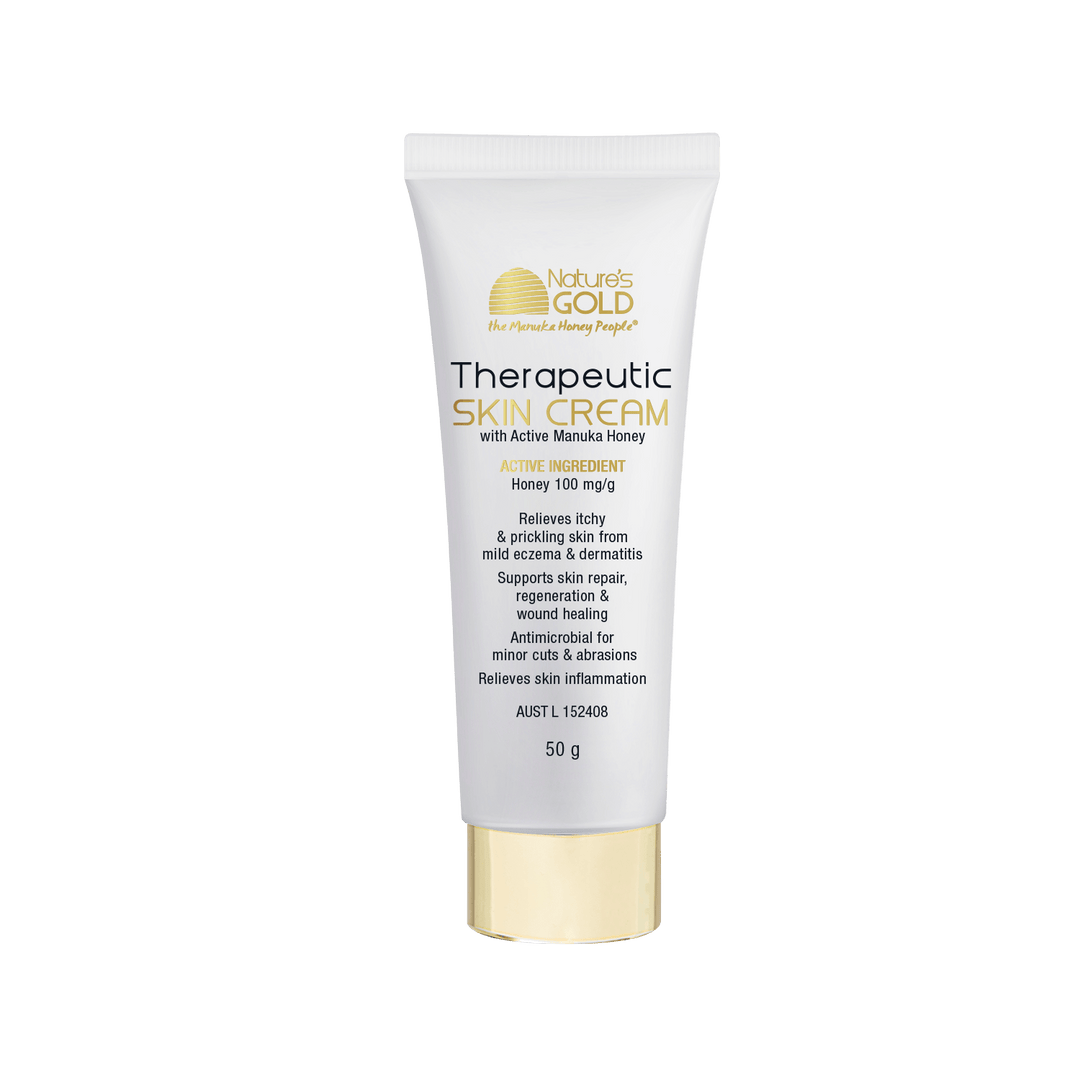
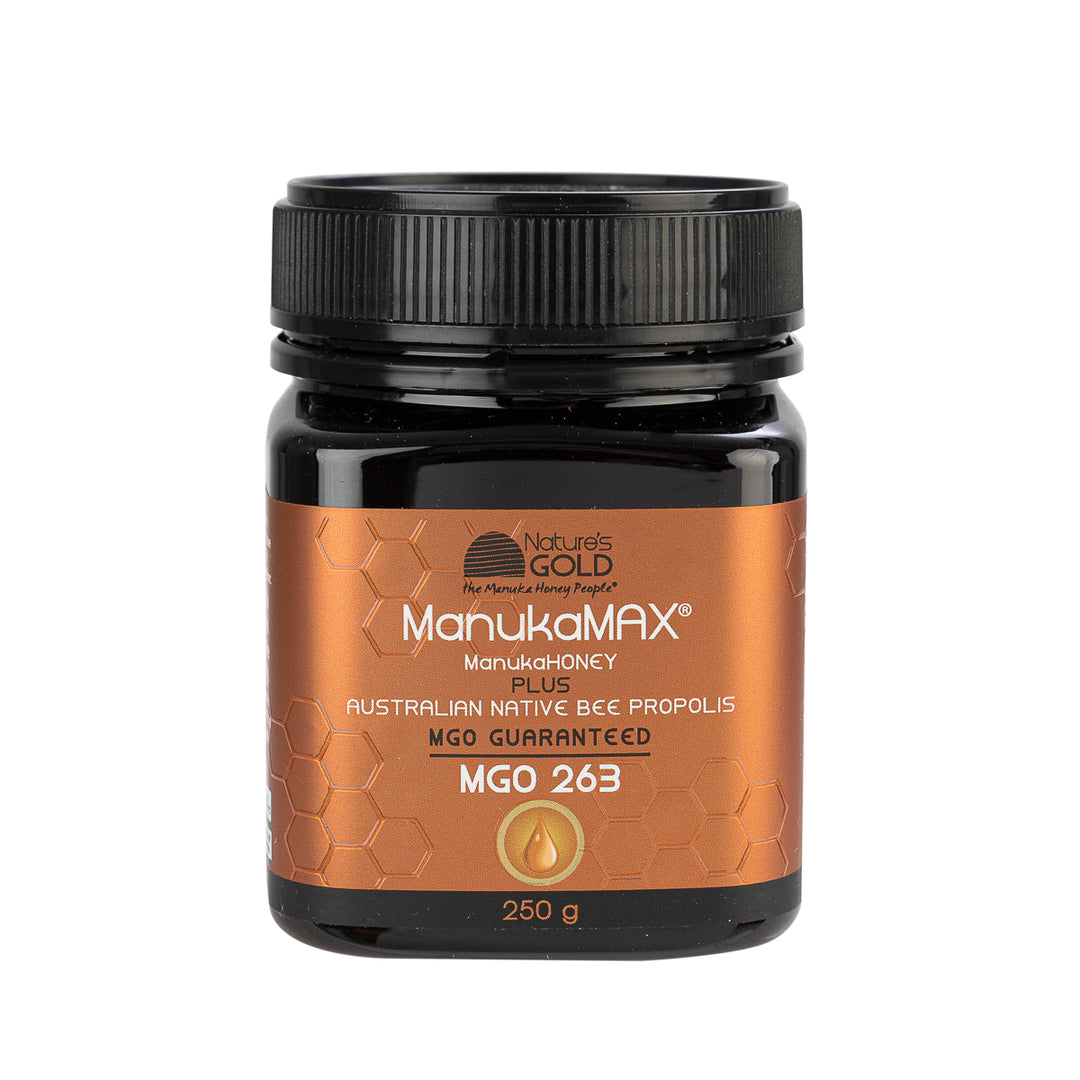
Try Nature’s Gold Australian Native Bee Propolis Drops with Manuka Honey. Harvested from pristine, chemical-free environments, this potent formula is backed by scientific research and delivers one of the most powerful natural antibiotics and anti-inflammatory products available.


Hinterlassen Sie einen Kommentar