


Dry mouth, medically known as xerostomia, is a common yet often overlooked condition that affects countless individuals worldwide. It occurs when the salivary glands fail to produce enough saliva to keep the mouth moist. While it may seem like a minor inconvenience, persistent dry mouth can significantly impact oral health, digestion, and overall quality of life.
What Causes Dry Mouth?
Dry mouth can result from a variety of factors, including:
- Medications: One of the most common causes. Antihistamines, antidepressants, diuretics, and medications for high blood pressure or anxiety often list dry mouth as a side effect.
- Medical Conditions: Diabetes, autoimmune disorders such as Sjögren’s syndrome, stroke, and HIV/AIDS can impair saliva production.
- Cancer Treatments: Radiation therapy to the head or neck and chemotherapy can damage salivary glands.
- Nerve Damage: Injury or surgery that causes nerve damage in the head or neck area may lead to dry mouth.
- Lifestyle Factors: Smoking, excessive caffeine or alcohol consumption, and dehydration can all contribute.
Why Saliva Matters
Saliva is essential for maintaining a healthy mouth. It helps to:
- Moisten and cleanse the mouth
- Digest food
- Prevent tooth decay by neutralizing acids
- Limit bacterial growth
- Protect soft tissues in the mouth
Without adequate saliva, people may experience difficulty speaking, tasting, chewing, and swallowing. They may also be more prone to tooth decay, gum disease, and oral infections such as thrush.
The Potential of Australian Manuka Honey
In recent years, Australian Manuka honey has gained attention not just for its antimicrobial properties but also for its potential role in soothing and supporting the oral environment—especially in cases of dry mouth.
What Makes Manuka Honey Special?
Australian Manuka honey, produced by bees that forage on the native Leptospermum plant, contains a powerful active compound called Methylglyoxal (MGO). This compound gives Manuka honey its unique antibacterial potency and makes it effective against a range of harmful microorganisms
How to Use Manuka Honey for Dry Mouth
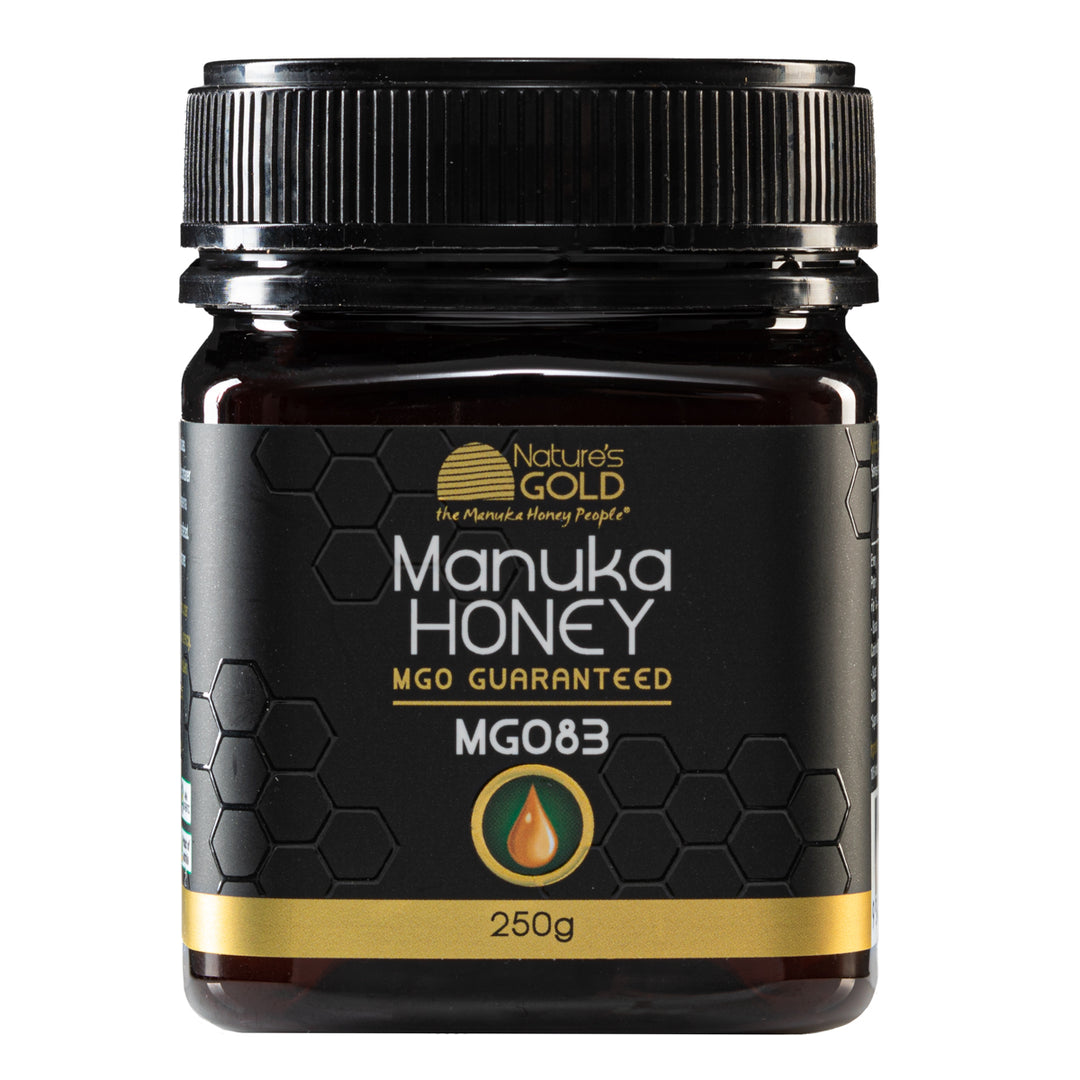
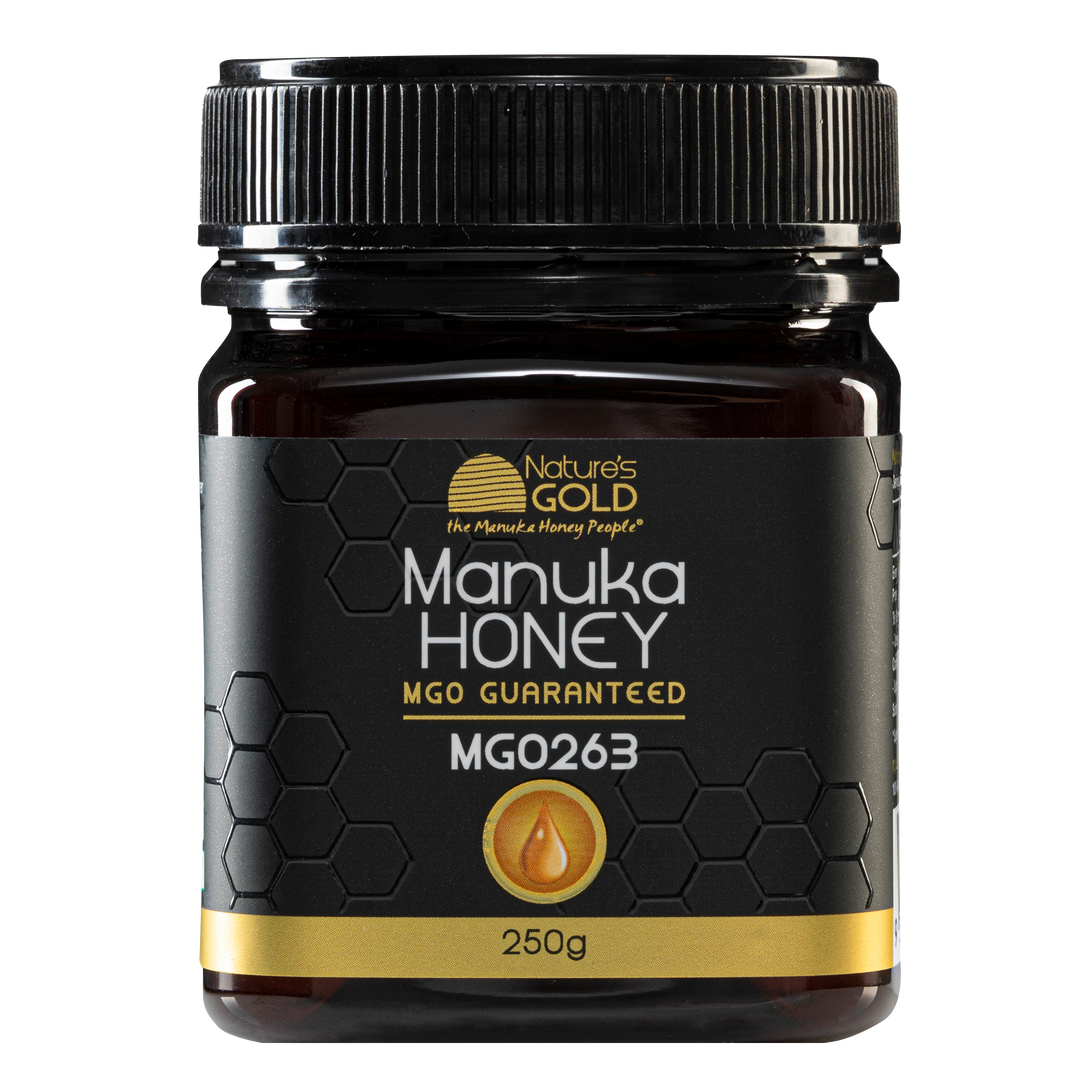
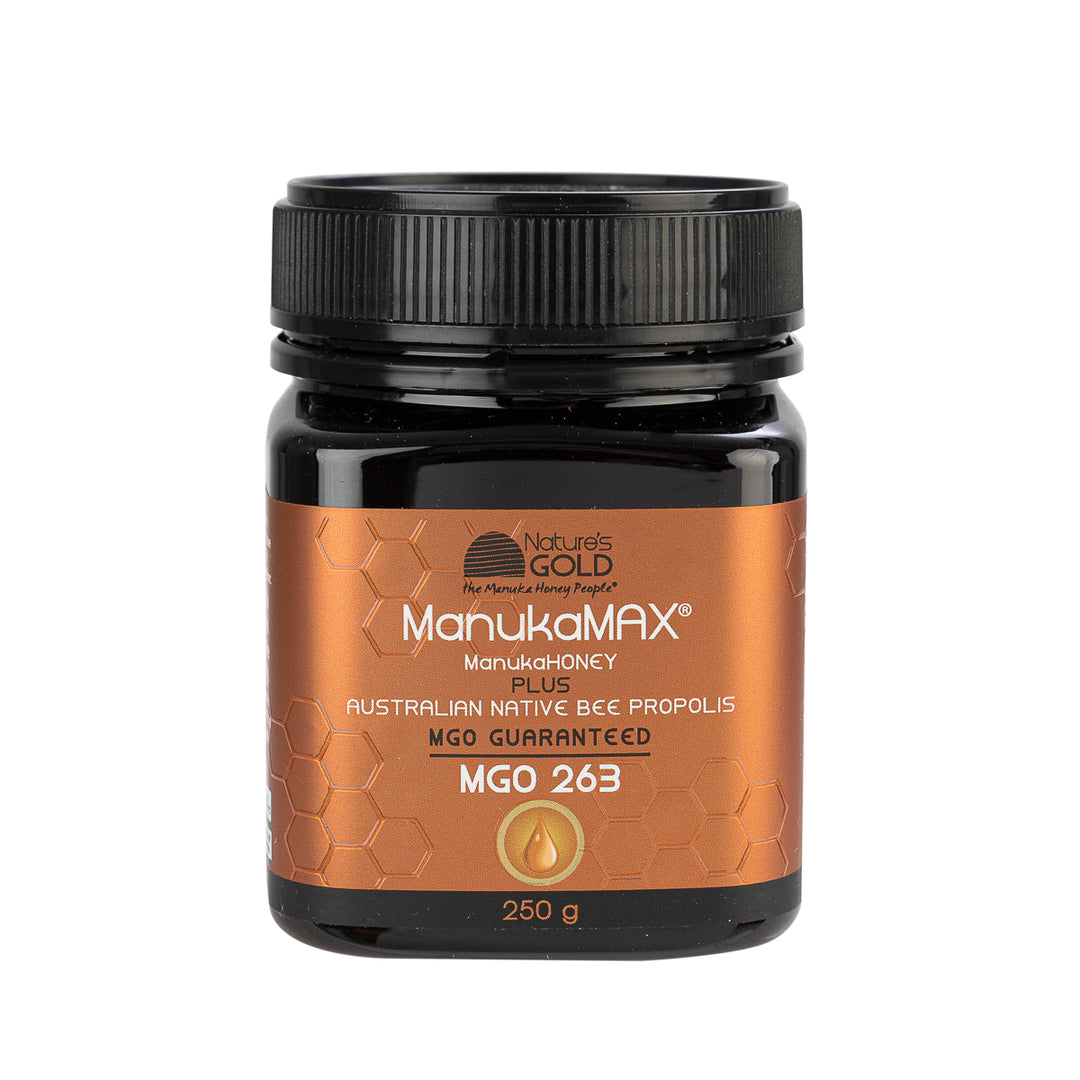
- Direct Application: Place a teaspoon of high-grade Australian Manuka honey in the mouth and allow it to slowly dissolve. We recommend MGO 263 or above. Do not eat or drink for half an hour either side of doing this so that you receive the maximum benefit from the honey.
- Manuka Lozenges: Specialty lozenges that contain Manuka honey and are designed specifically to combat dry mouth.
-
Mouth wash / Naturally medicated Manuka Liquid For Your Mouth: Manuka honey Oral drops such as these can be incorporated into your daily oral hygiene routine, helping to lubricate the mouth as well as keep it fresh, and can be used multiple times a day when needed.
- Avoid Dilution with Hot Water: Heating may destroy the beneficial enzymes and active compounds—always use it at room temperature or cooler.
While dry mouth can be a frustrating and uncomfortable condition, natural remedies like Australian Manuka honey offer a gentle and supportive approach to symptom management. Its natural antimicrobial, anti-inflammatory, and moisture-retaining properties make it a promising complementary option—especially for those seeking relief without relying solely on synthetic treatments.
However, anyone experiencing chronic dry mouth should consult a healthcare provider to identify the underlying cause and ensure that their oral health remains protected. When used mindfully, Manuka honey can be a sweet ally in maintaining comfort, hydration, and balance within the mouth.


コメントを残す